
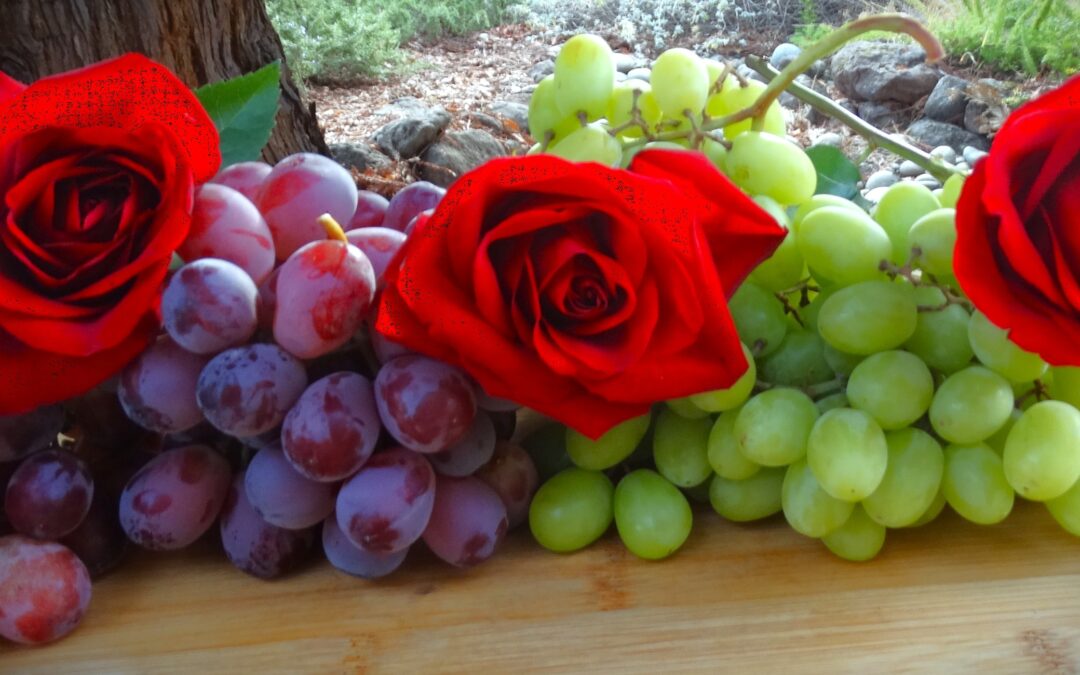

If you have the chance to sip a splendid wine, above all, remain open to a notion that you’ve actually begun to swallow art.
Alcohol use of any stripe faces a recalibration nowadays, due to health studies. Despite that, let’s not erase a place our culture came from on this topic. Miracles of viticulture ought not to be tossed out with its lees.
Below runs a piece I wrote about the legendary “Crush” in Napa Valley, where I worked as a gondola driver. That gig won me a chance to chat with alchemists of the Valley’s heyday, some four decades ago.
A WHETHER EMERGES FROM THE WEATHER
Molten sunlight appears to simmer and shimmer above the deep forest green of long vineyard blocks. Between those rows, dry dust boils from the tires of a slowly cruising Volvo wagon.
An American and a Frenchman are here to pass a judgment on grapes in a holding called Napanook, a tiny, final legacy of a legendary vintner named John Daniel.
The car halts and the Frenchman—tall, slender and dark—jackknifes out of its shotgun seat with a loose, athletic grace. The American driver, shorter, stockier, follows him promptly. During their ride, the pair had discussed various current measurements: degrees Brix (sugar content), pH (acidity, lower in whites and higher in reds); as well as area soil amendments, irrigation protocols, and other relevant topics.
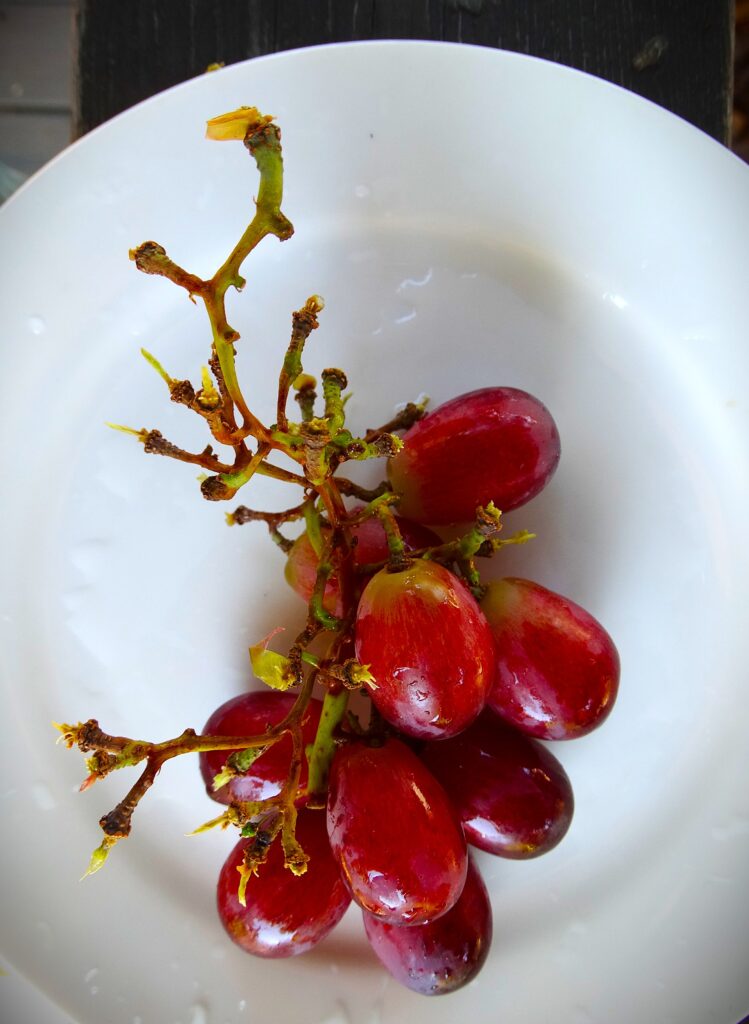
Now they aim to render a crucial but poetic assessment, using only their taste buds. The Frenchman picks out a vine, selects a cluster of grapes, and pops a few berries in his mouth. His companion follows suit. They chew thoughtfully as a rush of raw flavor blooms on their palates.
So… How might these tastes evolve in four years? In ten?
The American, Dan Baron, is a vineyard manager charged with coaxing this crop to fruition. The Frenchman is technically his boss, Christian Moueix, scion of a famed family regularly producing one of the world’s premier Bordeaux. However, in practical terms, they are partners today—and never more so than at this moment.
“The hot spell might continue and dehydrate the fruit,” the American says.
The Frenchman flings a glance up at the broiling sun. Only rarely did such problems crop up before Crush in his home region, the Pomerol of southwestern France. The American puts more berries in his mouth, chews, spits out the residue. The resulting purple blot vanishes quickly into the dry, loose dust.
“I think they won’t ever be readier,” Baron says. “And if this heat keeps coming on, they could get less ready.”
“Very well,” the Frenchman agrees. “At dawn tomorrow, when it’s cool, let us pick.”
A MEDLEY OF CHOICE TO FORGE A MELODY
More than a few crucial moments occur in creating a wine, but this one—the moment of picking when to pick—is about the most critical. In vineyards across California this fall, a spate of such decisions will be made to kick off that frenetic period of grape harvesting dubbed the Crush.
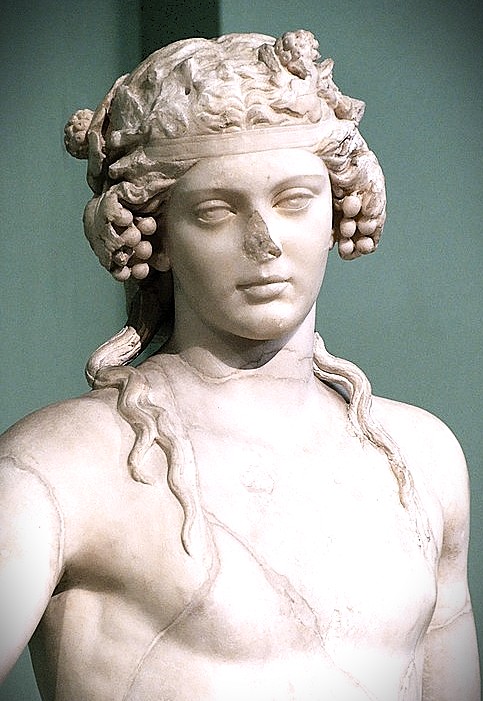
As a Crush nears, the grapes hold in literal fruition—a net of biochemical memory—all the weather of the recent growing season and all the loving attention and farming expertise lavished on them up to that point. Once the grapes get picked, those memories are set. It’s a moment when the vintners seek to pin in the fruit the exact qualities they desire.
“Crush is an exciting time,” says Bob Dwyer of the Napa Valley Grape Growers Association. “It’s when we truly discover what will happen with a particular vintage-year. It’s quite busy, we all work our fannies off. And it’s very risky, since the grapes are at their most delicate stage. Crush is the culmination of a whole year of effort.”
That sense was heightened for Moueix and Baron at Napanook. This fall’s harvest would be the initial effort of a small, California vineyard operation partnering with the house of Petrus—among the most prestigious châteaux in France. Consequently, for them, this particular Crush would be as much adventure as joint venture.
Whenever you pull a cork and pour a glass of wine, and its fragrances tickle your nose, you begin to savor the result of a grand collection of causation. Yes, plenty of decisions go into wine—but also soil and climate, traits and habits and traditions. Many efforts, plans and stories of people go into wine.
At some vineyards, signals of a mighty tradition seem clear. Descending Napa Valley from the north, one passes the white citadel of Sterling, the Gothic hulk of Greystone (the Christian Brothers), the “modern mission” compound of Robert Mondavi. But at Napanook? Tradition isn’t obvious. Across the railroad tracks stand a few metal sheds, and that’s the whole shebang. Here, the soil and the venerable vines must tell the tale. But behind that spare, utilitarian appearance stands a history of one of the pioneering families to farm the Valley.
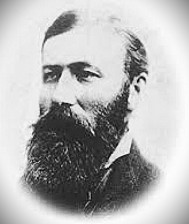
In 1879 a Finnish sea captain, Gustav Niebaum, acquired this and other patches of earth and began to plant vines, parlaying his holdings into what became a premier estate: Inglenook. After prohibition, curation passed to the skipper’s great nephew, John Daniel Jr., who gained fame in his own right as a vintner and industry leader. He not only pushed for high quality in his own product, but for standards of clarity and honesty in the labeling of every vintage.
Then—for reasons connected to the aging of humans and the aging of equipment at the winery—Daniel sold Inglenook to United Vintners. However, not all of it. He kept in the family that one stellar vineyard he called Napanook. Six years later, he died, in 1970.
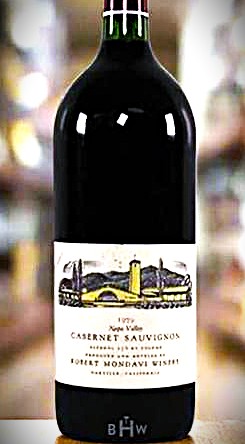
To modern students of enology, John Daniel became a fading name. But to one of the Valley’s reigning mavens, Robert Mondavi, memory of the man and all the contributions he sought to make does remain vivid and vibrant.
“A thing John felt strongly,” Mondavi tells me, “was that wines from California in general and Napa wines in particular just weren’t getting all the recognition they deserved. He stopped at nothing to make the best wines he could, but he worked even harder to improve the status of our wines in the eyes of the world.”
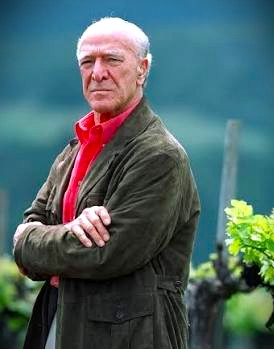
Lounging in a big leather swivel chair in the front office of the sprawling operation he built himself, Mondavi looks every inch the Valley patriarch—tanned and fit, if graying. That’s a status John Daniel himself might’ve enjoyed, had he lived long enough.
“John was my dear friend,” Mondavi says. “We worked together, trying to unify growers and get them to look to the future.’ He leans back and flashes a grin. “I would say now that work is beginning to pay off.”
After Daniel passed away, two daughters, Robin and Marcia, were the only probable heirs to his work. However, their connection to Napanook had been tenuous. Oddly, their religious mother bore strong objections to any alcoholic beverage. So, the girls were allowed to smell the wine their father created, but never to taste it.
That childhood policy might’ve awarded them a rare appreciation for bouquet; but it probably also induced a lingering temptation—one that sprang into full bloom not very long afterward.
Robin Daniel Lail grew into a blond, ‘trim, sharply-dressed businesswoman, a project manager for a San Francisco development firm. Her resemblance to a mid-career Doris Day is enhanced by how excited she gets when she tells the backstory of Napanook.
She says that as her dad slipped into his final illness, he summoned his daughters to his side. “You know, I was wrong not to get your mother involved in this business from the beginning,” he said. “But I can make up for that now by telling you all about it.”
Lail says that her father concluded by saying, “‘Napanook is an absolutely excellent property. No matter what happens to me, whatever you do, never let go of it.’ And then he passed away, leaving us a will that was totally impossible to deal with.”
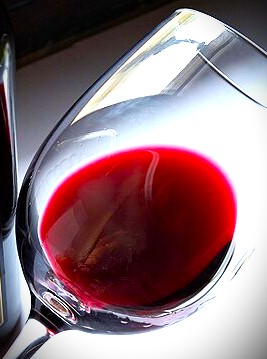
She and her sister fought, bargained, and fought again with the executors of the estate. They emerged from that fray with the 120 acres of Napanook intact but very little else. Over the next dozen years, the place functioned basically as a farm and simply sold its produce to the highest bidder. Yet a key detail was that those grapes always DID sell, since they grew on old John Daniel plantings, vines still cultivated by a longtime manager.
Meanwhile, the sisters moved away, married, launched themselves into alternate careers.
But Robert Mondavi began to play a hand. He hoped to lure a Daniel back into the wine business, so he briefly hired Robin as an administrative assistant. However, that reintroduction attempt didn’t take very well or last very long.
“Bob aggressively tried to get me back into the wine industry for years, and I kept saying, ‘No, it’s not the right time.’ Then, he introduced my sister and me to Christian Moueix.”
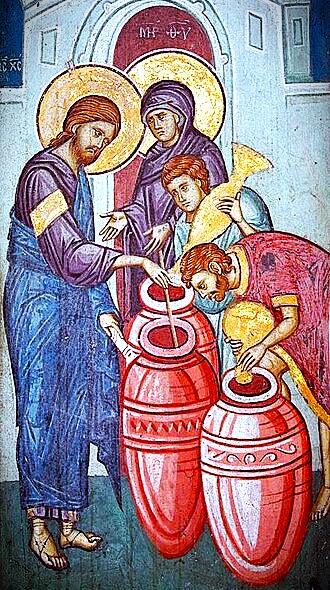
Mondavi himself had already launched a major Napa Valley trend in the early 80s, when he began a joint venture with the fabled French house of Rothschild. And he saw no reason why certain other favored or talented parties could not do likewise.
Christian Moueix, unlike Robin, grew up swallowing a great deal of wine as a kid. In fact, one of his warm childhood memories is of taking sips from an extraordinary bottle of Mouton-Rothschild. Nowadays, his family oversees more than a dozen wine estates and sells the products of 160 more in France.
And he says, “It was truly understood what I would do, right from the beginning. In fact, I had no dream of doing anything else.”
That pursuit did take him afield, though. After his studies at home, he traveled to study enology and viticulture courses at UC Davis in California. In his late 20s, he returned to assume the general manager’s mantle at Château Petrus. And found that role bore a hefty weight of tradition—in a region where grapes had been farmed for centuries.
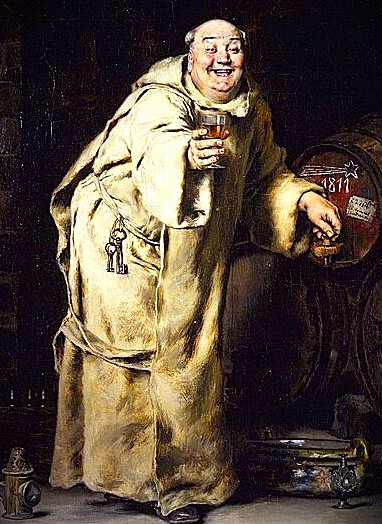
“It seems that in our vineyards we have very little choice left,” Moueix says. “For example, the way of pruning was selected years and years ago. The only surprise you get is sometimes the weather.”
He found himself yearning for a zone of fresher, freer opportunities. Luckily, a friend he’d made during his UC Davis years was Robert Mondavi. And in 1982, Mondavi dropped by Petrus for a visit, whereupon he discovered Moueix had begun to think of perhaps buying land in Australia to use for viticultural experiments. Mondavi said, instead, he ought to opt for far shorter flights, come to Napa, and create a partnership similar to the one he’d formed with the Rothschilds.
“It was a terrible day,” Moueix says, of that December morning when he toured Napanook during his first Valley visit. “But right away, I said, ‘This is some of the best soil I have seen in California.’ And I felt some sense of destiny about the place.”
He confesses to being a bit of a romantic, a trait balanced by his mania for hard, factual details. He toted a legal pad full of questions to his first meeting with John Daniel’s daughters. After they worked through that list, the sense of destiny triumphed—they agreed to forge a joint venture to craft Napanook wines via a mix of French and American techniques.
This 1983 Crush would produce their first results.
“SOMOS LOS BURROS” = “WE ARE THE DONKEYS”
At sunrise the next day, a cadre of Latino harvesters parked their old pickups under the shade of oaks scattered around the fringe of Napanook and got out. I saw a score of them, garbed in scuffed clothes stained with sweat and dust and grape juices. They hopped onto the rear of the farm’s flatbed to ride to the initial vines scheduled to be cut, and I joined them.
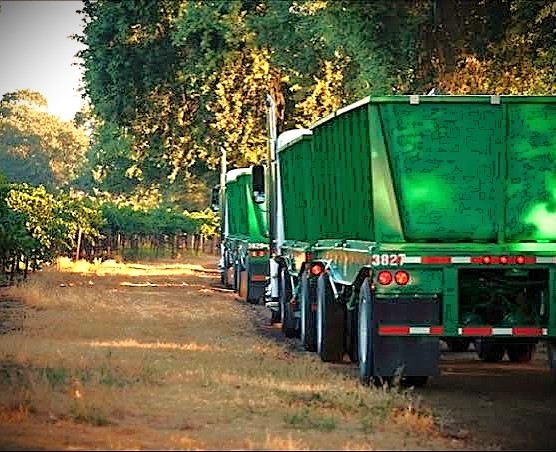
I’d earned a commercial driver’s license. My main job here was to haul the harvest out to crushing machines. But I knew I had to do more to understand enough about these goings-on. In my own worn clothes, with a freshly honed, hawksbill knife stuffed in a pocket, I jumped on to ride with them out into the rows.
We mixed his barren English with my slight grasp of Spanish as the crew foreman briefed me on the proper way to slice each dangling bunch of dusky grapes off (not too much stem), add them to my tray and dump them into a gondola trailer. I labored away at my very hardest, yet I moved at just half the rate of the rest of his crew. It felt like I was struggling to run a marathon without ever having done any training for a 5K.
In under an hour, the gondola—a steel bin designed to be seized by machinery and tilted into a crusher—is brim-full. Mopping sweat off my brow, I go to the foreman and announce I now must turn back into a driver.
And besides, “Estoy cansado,” I inform him, “I’m tired.”
He grins. “Sí, but we have to stay at it,” he responds. “Somos los burros.”
I drive off into a rising sun with the air-conditioner turned on full-blast in the cab of my one-ton truck. Once businesses in the Valley knew I was a driver working the Crush, I was also empowered to grab free snacks and coffee at any Valley restaurant or vineyard tasting room. But the pickers’ sole breaks came from cups and an ice-water cooler mounted on the back of that flatbed, or the lunch boxes they’d left back under the oaks.
Those men provided a key foundation for this whole enterprise. Lacking their dawn-to-dusk, physical heroics, grapes would not be harvested right at their peak, and the high aims of the Crush managers could come to naught—or at least, much less.
Over the prior ten years, a growing percentage of California’s grapes were getting harvested by hulking machines. Since these are able to run 24/7, they can pile a crop in super-fast. They also add a lot of material not generally regarded as flavor components—including unripe grapes, leaves and insects. So, the highest quality harvests remain hand-picked. But the manual process grows fraught if the vagaries of weather suddenly require speed. Each shift in the skies is reflected in the chemistry of the ripening fruit, altering a desired balance between sugars and acids. Therefore, here, seize the day actually means, seize the hour.
Yesterday, this crew had hustled in 35 tons of Chardonnay in temperatures ranging above 100 F on a different farm. Today, they need to attack Napanook’s oldest blocks of cabernet franc. So, Dan Baron walks among them, offering a pep talk in Spanish.
THE MAKING OF WINE-MAKERS
Baron’s arrival at this point in his career looks something like Moueix’s, but in reverse. Rather than start from deep within the industry, he steadily bored his way in from an outer ring. He began as a tractor driver, won a master’s degree at Davis, worked various vineyard gigs, then journeyed to France to see what he could learn from the châteaux. His zeal and commitment were noted at Petrus, and he suddenly found himself zooming along on a fast track. When the new joint venture began, he proved first in line to return to the States and lay groundwork. Literally. He became the vineyard’s new manager.
On this day, Baron told the crew they shouldn’t kill themselves by working too fast, just aim to work steadily and pick carefully. In that way they would help make a wine they could all be proud of. And he vowed he’d make sure Napanook paid them extra cash for every single ton they managed to bring in.
Meanwhile, Moueix—after swapping a stylish linen suit for coveralls and rubber boots—climbed up into a gondola to pluck out stray leaves and twigs by hand himself.
“A person can do correctly only the job he likes,” Moueix tells me later. “How can they like their picking if they think we don’t truly care? But if I show them that care is a huge part of this wine, it can improve the result by some percent. And that percent, plus other percents, that can be what makes our difference.”
THEY CALL ME BABY DRIVER
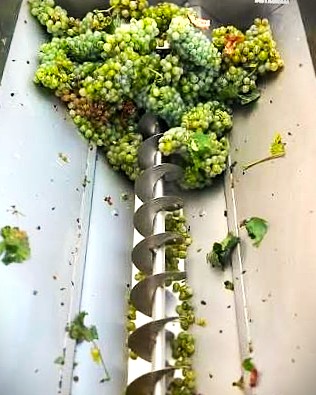
Once this gondola was heaped high with purple fruit, I towed it across the Valley to Rombauer, a contract winery that crushes and stores small lots from new vineyards intending to release their own labels. Since tiny Napanook didn’t own much of that necessary equipment yet, Rombauer would handle these essential chores.
Napanook’s contribution to the Crush was a mere trickle of the Valley’s huge and swollen stream of incoming fruit. However, rumors of this harvest’s unique nature had won attention. Moueix, Baron and Lail drove up right behind me to observe the first crushing of their prized cabernet franc. Founder Koerner Rombauer emerged to greet them with a bottle of ’76 Bollinger Champagne iced down in a silver bucket.
As they toasted the birth of their joint venture, a hoist lifted the gondola and tipped it into a V-shaped hopper with a conveyor screw running along its base. The fruit vanished into a destemmer/crusher, which emitted a whine and a grinding roar as paddles whipped the berries through holes in the side of a spinning cylinder. A tangled mass of stems was spewed out of one end, while smashed pulp, sweet juice, and skin—the essential nectar called “must”—gushed out below.
This raw material would be alchemized into wine with the aid of other essential workers: tiny yeasts, living beings, that would consume sugars and excrete alcohol. The split between red and white wines would promptly be managed, since all grape juice is mostly clear. Red wines are fermented from red grape juice left “on” (with) the skins to acquire flavoring and color. Whites come from white grape juice separated from the skins to keep it translucent.
The newly fashionable “blanc de noir” types come from red grape musts fermented off the skins; they gain their characteristic blush from their prior association. Beyond these basic maneuvers, the magic of wine-making deploys a broad array of tricks.
Napanook’s first joint venture vintages, involving its cabernet sauvignon, merlot, and cabernet franc, would begin their primary fermentation in huge, stainless-steel tanks. That’s customary. However, in pursuit of the extraordinary, risks would be taken—the musts wouldn’t be doctored in the usual way. An entire vat wasn’t inoculated with pedigreed yeasts, but allowed to ferment with those naturally found on the skins. Besides that, the wines were left on the skins twice as long as it’s commonly done in California (though not quite as long as they would be in France).
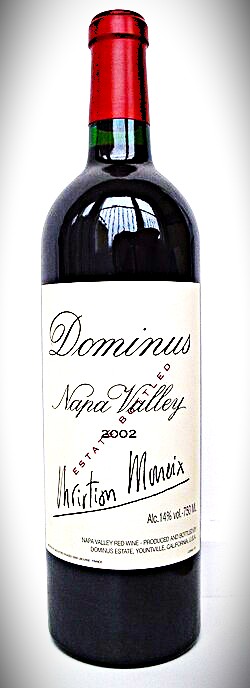
The vintages would be delicately blended, then barreled in cured French oak to “breathe” and develop character. The plan was to age it in Rombauer’s cool cellars and release the first bottles in three years—some 4,000 cases to which Moueix hoped to affix his new label, “Dominus.”
“I would like, at this point, to be modest,” Moueix tells me. “Whether or not we can make a great wine still remains to be proven. My hope is to make a wine with harmony and finesse. This wine will always be deep, because of the old vines and the soil, but I would like for it also to be elegant. This first vintage is a first step on that path. But I think we can look for it to at least be a good wine.”
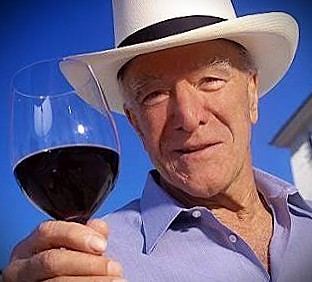
This Napanook path more-or-less follows a route similar to the Mondavi-Rothschild joint venture, boosting California’s hardcore work in scientific viticulture with old-world traditions and sensibilities. The object all sublime would be to further “civilize” our state’s bold reds through a pursuit of subtlety and cultivating harmony among all flavor components. It’s the kind of payoff for international collaboration that Robert Mondavi and John Daniel had long sought.
Mondavi predicts that, “We’ll make as much progress in the elegance and drinkability of wines in the next few years as we did over the last decade. As people grow more creative, they excite each other. We’ll go through a period now that I hope will be seen in the days to come as an era of great enlightenment in higher appreciation of wine, and the pairing of it with fine cuisines.
“And I think John Daniel himself would have been delighted to witness such a development,” he added.
OUTPUT OF MANY TASKS CURES IN A CASK
Some months after the frenzy of Crush has subsided and the sun-seared leaves have dropped from the vines, results of that harvest receive a pair of visitors.
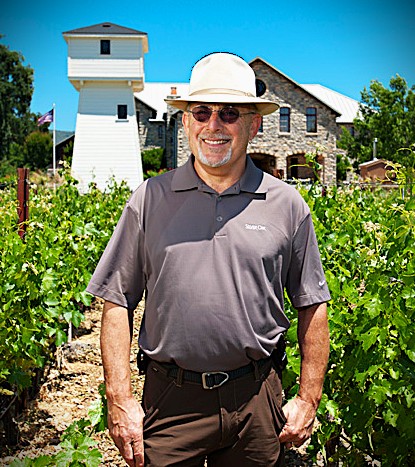
Dan Baron, wearing a Basque beret and leather apron, moves slowly along the rows of barrels in the Rombauer cellar. He’s here for the first racking, when the clarifying wine is drawn off from the sediments, and these lees are cast aside. He’s equipped with a variety of tools: asse (the donkey, or bunghammer); coeur (a heart-shaped dish for catching splashes); and crapaud (a brass bucket to receive the newborn wine that runs from the racking hole in the barrel head).
Baron dips a glass in that stream and holds it to the light, trying to find the right level where the clarified wine ought to be separated from the cloudy lees. It’s another of the careful judgments that shapes a vintage.
A wholesale, industrial racking process pumps the wine from barrels into tanks and back again. Racking by hand from barrel to barrel is seen as more primitive, backward, pricey—just entirely too slow. But, “Hand-racking is gentler to the wine,” Baron claims. “We’re dealing with something very delicate, not well understood, in terms of what makes one wine beautifully aromatic and long in the finish. Meanwhile another, from the same variety and same terrain, turns short, astringent and forgettable.”
Robin Daniel Lail joins him in the Rombauer cellar. Her blond hair is pinned back, her eyes seem to glow in the dim light. She looks both enthralled and nervous. Following his lead, she holds a half-fllled glass up to a lightbulb, a move that suffuses her whole face with a mild, ruby glow.
“You have to understand,” she says, “even with all the time I spent immersed in the wine world, I’ve never tracked a vintage all the way from start to finish, not before now.
“The raw juice seemed absolutely marvelous. But when it started becoming wine, it didn’t seem quite so nice. To me, it tasted big and tannic and raw. But I kept my faith in what Christian and Dan were doing, which was my only comfort. Now, I can see the finished product starting to emerge and I like it so much better.”
Baron sips from his glass, aerates the liquid noisily in his mouth, spits it accurately down into a cellar drain.
“It seems truly different from a typical California cabernet,” he says thoughtfully. He savors another sip. “It’s almost as though our attitude or intent made a difference in pushing it more toward a classic French style. The tannin structure is big, yet round. Not aggressive.”
And he bares his teeth in a wide, purple grin.
POSTLUDE: NAPANOOK NOWADAYS
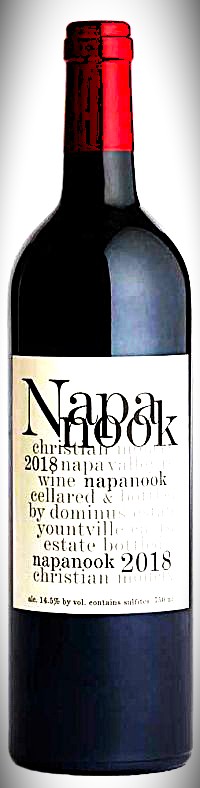
Christian Moueix seems at present to be in sole custody of this vineyard near Yountville, and still busy producing wines for his Napanook and Dominus labels. The small, old sheds under the oaks have been replaced by one giant building. Its access road is gated; visits are by appointment only.
On the winery’s classy but spartan website, I could find no mention at all of the Gustav Niebaum, John Daniel, or Robert Mondavi connections. After a decade with Moueix, Dan Baron moved on to a long and illustrious career at other operations in the Valley.